Showing posts with label samsung. Show all posts
Showing posts with label samsung. Show all posts
Friday, November 21, 2014
How To Easily Update Samsung Galaxy Tab 4 7 0 T230 for Official Android 4 4 2 KitKat XXU0ANG1 Firmware
Samsung released the official Android 4.4.2 KitKat update for that Galaxy Tab 4 7.0 T230 together with build version XXU0ANG1.
So, Here we mention the step by set guide to the firmware manually in the case of automatic update didnt work.
Requirements:

2. Make a manual backup from all data files as well as personal settings stored in the Galaxy tablet.
3. The particular battery level has to be at least 50 percent to avoid electric power interruption during the set up.
4. Now Enable USB debugging mode on the tablet that you can get under the Settings menu.
5. Download the important USB drivers for Galaxy Tab 4 7. 0 T230 Wi-Fi model on the computer. If your Samsung Kies is
already installed on the machine, connect it using any USB cable for installing the drivers.
6. Now you must download the "ODIN flash tool version 3.09" as well as the official Android 4.4.2 XXU0ANG1 KitKat firmware on your personal computer or laptop.
Notice: We are not in charge of any errors that might occur on the device. Read and must follow to the instructions to any avoid issue. Do this at the own risk!!
Flashing Instructions:

2. Restart into Download mode by pressing as well as holding volume upwards and power keys simultaneously till the
Smartphone logo appears.
3. Now just Extract the ODIN flash tool files and also the official Android 4.4.2 KitKat firmware for an easy access location on
your p.computer or laptop.
4. Start the ODIN flash tool on the pc.
5. Hook up the Samsung Galaxy Tablet 4 7. 0 on your computer using a USB cable.
6. IDENTITY: COM should turn yellow if device is actually detected by this computer. Otherwise, install the necessary USB drivers as mentionened above.
For the ODIN flash application, select the following files to the installation:
- Click "PDA" then select the file with (CODE) in its name.
- Click "PHONE" then select the file with (MODEM) in its name. If not found, ignore this step.
- Click CSC then select the file with CSC in its name. If you couldnt found. So, dont bother just ignore this step.
- Hit on "PIT" then select the ".pit" file. If not found, ignore this step too.
8. Check on the (AUTO REBOOT) and "F.RESET TIME" on the ODIN flash tool.
9. DO NOT check the RE-PARTITION option within the ODIN flash tool when there is NO ". pit" data file used.
10. Now Click on the start button to start installation for the ODIN tool.
11. After you done the installation, the tablet may restart automatically which could take up five minutes before reaching properly
to the home screen section.
12. In the case tablet reaches the home screen, Now you can unplugged it throughout the USB connection.
Congrats, Now Youre Done!!

Thursday, November 20, 2014
Samsung announces Galaxy K Zoom in Singapore
.jpg)
It is 29th of April, and if you remember, we had reported you about Samsungs Kapture The Moment, event going to take place at Red Dot Design Museum, Singapore, where this morning the South Korean electronics manufacturing giant announced their next generation high-end phone-camera, the Samsung Galaxy K Zoom. The Koreans likes to call their new announcement, the "camera-specialized smartphone", offering users with advanced technical camera system and complete professional camera like functions, to capture the important moments in high clarity.
Keeping the past leaks in mind, what we see today going official from Samsung looks exactly what showed up in the previous reads. The new device from Sammy is again featuring the firms flagship Galaxy S5 like hardware, almost the faux leather finish with ergonomic grip, also a very sleek and stylish lines that feel soft and extremely comfortable in the hands to hold the Galaxy K Zoom.
"With the introduction of the Galaxy K zoom, Samsung continues to demonstrate our commitment to creating products that meet the diverse demands of our consumers. The new Galaxy K zoom empowers users to effortlessly capture and share their most important everyday moments in stunning clarity, with the convenience and connectedness of a Galaxy smartphone, for a unique, all-in-one mobile experience," said Sun Hong Lim, Senior Vice President of Mobile Communications Business at Samsung Electronics.
So folks, wondering about the new handsets/cameras internal specification listings? Well, the newly unveiled Galaxy K Zoom packs in a Samsung made Hexa-Core Exynos 5 processor with six cores, compensating four ARM Cortex-A7 chips clocked at 1.3GHz and two ARM Cortex-A15s speeding at 1.7GHz, a Mali-T624 Graphics Processing Unit (GPU), 4.8-inches High Definition Super AMOLED screen of 1280 x 720 resolution display, eight gigabytes of internal mass memory (expandable via microSD card slot) and two gigabytes of Random Access Memory (RAM).
Now for the fun part, there is a 20.7 megapixels main shooter on the back, sporting BSI CMOS sensor and Xenon flash light, capable of 10x optical zoom, equipped with new retracting lens technology, alongside Optical Image Stabilization (OIS) to reduce blurriness in captured shots, also taking great snaps at low light conditions. The main sensor shoots videos at Full high Definition 1080p, with value-added features like AF/AE Separation, Object tracking, Studio, Smile/ Blink detection, where else on the front there is a two megapixels secondary camera. For connectivity, the K Zoom has got, Bluetooth 4.0, Near Field Communication (NFC) and 4G LTE Cat4 network support on board, a 2,430mAh powered battery and running Androids version 4.4 KitKat out of the box with proprietary TouchWiz User Interface. Other custom Samsung attributes include, Ultra Power Saving Mode, Kids Mode and S Health Lite.
The new Samsung Galaxy K Zoom will be available in Black, White and Blue color options, measured at 137.5 x 70.8 x 16.6 millimeters in dimensions and weighs 200 grams on mass.
Source: Samsung
Samsung Galaxy Note Edge costs around 1100 €899 in Germany comes with extended warranty and totally free accessories
Samsung is gonna bring the very new Galaxy Note Edge to the Germany after the voting through out the customers whether they were interested in the device, the massive response they got over 165,000 votes for this.
The German users will not only get the handset, but they will also receive a three year (3 Years) extensive warranty along with a beautiful flip wallet, a quick display cleaner and about 64GB Samsung Evo microSD card for totally free.
This superb device used to call the "Premium Edition Galaxy Note Edge", respectively and will be available for around $1125 (€899). Samsung is actually enhancement the offer by stating the first 500 buyers to order the Galaxy Note Edge in the Germany will be qualified for the tour of its headquarters in Schwalbach, Malaysia, followed by a free of charge dinner.
Of course, You guys should have to be interested on this kinda superb offer to have a dinner on headquarters in Schwalbac, Germany. The manufacturer is now taking Pre-orders for the device now on their official website. Head to the link below for all the details. If you are going to be springing over 1100 Bucks ($1100) for this handset, be sure to look at our review to know what youre getting for this bunch of money:
Wednesday, November 19, 2014
Samsung galaxy s3 review
With the developing of the mobile Internet, Smart phones have become the most important mobile Internet access terminals. Users put forward higher requirements for all aspects of the smartphone. Samsung launched GALAXY S3 quad-core mobile phone earlier this summer which is a high-end hardware spec smartphone, and its an impressive device with over 10 million units sold already. Rumors also say Samsung seems to be lining up a black version of the popular Galaxy S3 smartphone.

Read More..

The Lcd of Samsung GALALXY S3 is the largest one of the highlights. In addition to 4.8 inches large Lcd size, the resolution is also reached to the highest standards in the current mobile phone - Standard HD specification, 1280x720 pixels, which means that if we watch 720p HD movies on the Samsung GALAXY S3, it can "point to point play. In addition, the Samsung S3 fuselage used the second-generation gorilla glass of Corning. Compared to the first generation, the wear resistance and strength raising a lot, but also thinner, more robust ability resistant to scratches.
The AMOLED display gives the S3 a longer lasting battery compared to, say, the HTC One X and it’s better looking but more power hungry Super LCD 2. All things considered, Samsung really knocked the display out of the park with this device. The Lcd looks absolutely beautiful without sucking the battery dry. Super AMOLED is also equipped with mDNIe (mobile Digital Natural Image engine) technology which let Mobile phone make respond to quickly.
Samsung GALALXY S3 uses Samsungs own quad-core 1.5 GHz Snapdragon S4 Processor, you can operate more tasks instantly, there is also a substantial increase in its processing speed and energy saving compared to the dual-core. And enhanced graphics capabilities allow you to experience the silky smooth picture display. Compared to the Galaxy S2, S3 performance improves. The boot time become shorter, and the speed of application launch and web browsing has improved.
With a powerful quad-core performance in the Samsung GALALXY S3, the PIP function (Pop Up Play) can watch the video, while checking the mail, browse the Web or send text messages, but also allows video playback and custom sizes suspended in a variety of interface.
What will introduce after Samsung launched Galaxy S3
Summary: Samsung Galaxy S III is undoubtedly the most dazzling Android mobile in this year, but Samsung absolutely not satisfied with the status quo, now Let’s take a look what products Samsung going to launch in the future.
1.Samsung Galaxy S Lightray 4G headed to MetroPCS
 Though the Samsung Galaxy S Lightray 4G is a far cry from the high-end devices that are currently available in the market today, the handset still has quite a number of tricks up its sleeves that might want you to seriously consider jumping ship to MetroPCS. The carrier already confirmed that the Samsung Galaxy S Lightray 4G will be offered at $459 off-contract and will give its users access to live television streaming. With the Dyle application preinstalled on the handset, users of the Samsung Galaxy S Lightray 4G can stream television using the 4G network of the carrier even while on the go.
2.Galaxy Discover for TracFone.
 The ultra-budget prepaid carrier doesnt currently offer any branded smartphones, so the Galaxy Discover could end up being its first. Its slated to get Android 4.0, Bluetooth 3.0, "ample" internal storage, and external expansion up to 32GB. This one looks a bit like an original Galaxy S, too, but features three capacitive buttons along the bottom instead of the classic four.
3.Galaxy Stellar for Verizon.
This is the phone that leaked last month as the "Jasper,” a Droid Charge successor that keeps the originals unusual pointy chin. Its tapped to get a 1.2GHz dual-core processor, 2,100mAh battery, Android 4.0, and — of course — LTE.

4.Galaxy Stratosphere 2 for Verizon.
Samsung doesnt seem to have any intention of pushing QWERTY sliders globally, but American carriers are clearly still asking for them — and thats where the Stratosphere 2 comes into play. The follow-on to last year’s Stratosphere, this new model features global GSM roaming capability, SAFE approval to make IT departments happy, S Beam, and S Voice.

5.Galaxy Victory 4G LTE for Sprint.
Leaked several weeks ago under model number SPH-L300, the unwieldy name underpins a phone that will likely slot in underneath the Galaxy Nexus and Galaxy S III in Sprints portfolio: Android 4.0, LTE support, NFC, a 5-megapixel camera, and WVGA display are all rumored to be on tap.

Now Windows Phone 8 is getting closer to its release date. Rumors have leaked that Samsung will release its series phone, include Samsung GT-I8370 Omnia(Marco)and Samsung GT-I8750 Omnia(Odyssey)”。
Read More..
1.Samsung Galaxy S Lightray 4G headed to MetroPCS
2.Galaxy Discover for TracFone.

3.Galaxy Stellar for Verizon.
This is the phone that leaked last month as the "Jasper,” a Droid Charge successor that keeps the originals unusual pointy chin. Its tapped to get a 1.2GHz dual-core processor, 2,100mAh battery, Android 4.0, and — of course — LTE.

4.Galaxy Stratosphere 2 for Verizon.
Samsung doesnt seem to have any intention of pushing QWERTY sliders globally, but American carriers are clearly still asking for them — and thats where the Stratosphere 2 comes into play. The follow-on to last year’s Stratosphere, this new model features global GSM roaming capability, SAFE approval to make IT departments happy, S Beam, and S Voice.

5.Galaxy Victory 4G LTE for Sprint.
Leaked several weeks ago under model number SPH-L300, the unwieldy name underpins a phone that will likely slot in underneath the Galaxy Nexus and Galaxy S III in Sprints portfolio: Android 4.0, LTE support, NFC, a 5-megapixel camera, and WVGA display are all rumored to be on tap.

Samsung and Android extends dominance in smartphones worldwide
IDC latest data show that Google’s Android and Apple iOS accounted for 85% of the entire smartphone market in the second quarter of this year.

Samsung Electronics Co. and other phone makers shipped nearly 105 million Android smartphones in the latest quarter, giving Android 68 percent of the worldwide market, up from 47 percent last year. And this helped Googles operating system extend its dominance in the smartphone market. IPhone iOS platform followed, its market share reached 16.9%.
With the expansion of Google’s Android and iOS, the BlackBerry OS, Symbian and Windows mobile phones continue to be squeezed. Although RIM is in financial trouble, the BlackBerry OS still ranked third, accounting for 4.8 percent market share, it is a shame compared to the performance of 11.5% in the second quarter of 2011.
What’s worse, the Symbian system has decreased from 16.9% to 4.4%. The share of Windows phones grew to 3.5 percent, from 2.3 percent, in the latest quarter. The Lumia of Nokia failed to stimulate significant growth of the platform
In the past 12 weeks, the main reason of Android smartphone sales increase is due to many Apple users are waiting for the new iPhone-iPhone5. And Rumors have said the new iPhone will released in September. Although Apple’s market share have increased from 28.7 percent to 38.2 percent in US. But only in UK, Apples mobile phone market share increased from 20.8% to 22.9 percent this year, the market share of other European countries are varying degrees of decline.

“Samsung’s Galaxy S III phone received good reviews when it was released late in the second quarter”, Dominic Sunnebo said. And that’s why Samsung extends dominance in smartphones worldwide.

Thursday, November 13, 2014
Samsung and T Mobile finally announces Galaxy Avant
.jpg)
Samsung has finally announced their new affordable smartphone Galaxy Avant for United Statess wireless network operator, T-Mobile, as leaked earlier the previous month. The new smartphone from Samsung is a middle-ranged budget friendly handset with 4G LTE capabilities of the Stateside telecommunication provider. The new phone from the South Korean multinational manufacturer is already available for sales from the carriers official web domain, starting at $9 per month on a two year contract at $0 up front cost + another $10 for SIM Starter Kit, which is required to activate the new device. You can also purchase the smartphone that is retailing for a full amount of 216 United States Dollars.
The new Samsung made Galaxy Avant will come with a 1.2GHz Quad-Core processor, a 4.5-inches qHD screen of 540 x 960 resolution display, 16 gigabytes of internal mass storage (expandable via microSD card slot up to 64 GB), 1.5 gigabytes of Random Access Memory, a five megapixels main shooter on the back with LED flash light and a front facing secondary snapper, Bluetooth, Near Field Communication (NFC), GPS, Wi-Fi 802.11 b/g/n and 4G LTE network support, also on board battery offers users 18 hours of talk time and 15 days of standby and running Androids build 4.4 KitKat with companys latest User Interface version on top. The phone also features, Smartphone Mobile Hotspot, T-Mobile TV, Visual Voicemail, Wi-Fi Calling and more. The device measures around 132.8 x 66 x 9.9 millimeters in dimensions and weighs 136.9 grams on mass.
Source: T-Mobile
Samsung goes official with Galaxy S5 LTE A in Korea but thats not it!

Samsung, the South Korean multinational consumer electronics manufacturer has announced a new version of their 2014 front runner model, the Galaxy S5 exclusively for their homeland, Korea. This time the company dubs their new announcement as the brand new Samsung Galaxy S5 LTE-A.
Yes folks, you can guess it from the name, the new LTE-Advanced smartphone from Samsung will have three times faster than standard 4G LTE network connection speeds on board, capable of downloading data at 225Mbps.
But, thats not it, the new smartphone also features a brilliant 2K screen of Super AMOLED WQHD display at 2560 x 1440 resolution with excellent color reproduction, which is four times clearer than a High Definition panel, also representing more than 90% of the Color Gamut at only 0.01 milliseconds response time and 100,000:1 contrast ratio. The new handset also packs a faster processor and improved internals. Like the original Galaxy S5, the new model will also come out of the box with the perforated leather textured back and also sporting the same heart rate sensor on the back of the phone, aside the LED flash and below the primary lens, and a fingerprint reader integrated to the home button in front. The smartphone is also dust and water resistant up to one meter and 30 minutes underwater at IP67-certification ratings. Is this the Samsung Galaxy S5 Prime we were talking about in the past?
So, the new Samsung Galaxy S5 LTE-A will have a Quad-Core Qualcomm Snapdragon 805 chipset, speeding at 2.5GHz, 5.08-inches Super AMOLED Quad High Definition screen of 2560 x 1440 resolution pixels, 16 and 32 gigabytes of internal mass storage options with a three gigabytes of LPDDR3 Random Access Memory, 16 megapixels main camera on the back with Optical Image Stabilization and LED flash light, capable of capturing 4K Ultra High Definition videos, a two megapixels secondary front facer, which can shoot footages at 1080p. There is also Bluetooth 4.0, USB 3.0, Near Field Communication and fourth generation LTE-Advanced network support over the hood. The device will have the same 2,800mAh powered battery and runs Androids version 4.4 KitKat with Samsungs own revamped TouchWiz UX 5.0 and other proprietary new attributes like Geo News, Anniversary Reminder, Health Care, Deep Sleep, and more. The new unit is measured and weighed exactly same at at 142 x 72.5 x 8.1 millimeters in dimensions and 145 grams on mass.
The phone will be available in two new flavors, like Sweet Pink and Glam Red, along with the previously announced shades including, Charcoal Black, Shimmering White, Electric Blue and Copper Gold. This smartphone will come to SKT first, followed by KT and LGU+, later this month for a price of 940500 South Korean Won, that is about 919 United States Dollars, but doesnt looks to cross the Korean shores.
Source: DROID LIFE
Tuesday, November 11, 2014
Olleh is offering South Koreans with Special Edition Samsung Galaxy S5 LTE A

The South Korean multinational consumer electronics manufacturer for smartphones and tablets had announced their years flagship, Galaxy S5, back in February at the Mobile World Congress trade exhibition, in Barcelona, Spain.
While the handset is now available internationally, the Korean firm have decided to refresh their S-series with a more premium and new device that will be exclusively sold to the native South Korean consumers. In this regard, the company went officially announcing the new Samsung Galaxy S5 LTE-A for their home land, just a week back. And now, according to an Italian media, their new deluxe smartphone is getting a brand new Special Edition, again for the countryside customers only (most probably) as it will be marketed by KT Corporation, formerly also known as Korea Telecom with the exclusive "Olleh" branding on the redesigned back cover of the smartphone.
So, whats really making this a standalone? When you buy a new Special Edition Samsung Galaxy S5 LTE-A, you will be getting a smartphone with completely modernized back cover, where now the company gives it an elegant looking diamond-like texture, unlike the perforated leather pattern from the current models, which will be available in three different color options from Black, White to Silver, with other details and trims in a classy looking, Gold shade. Other than the exterior changes and detailing, the smartphone will remain the same with top-end internals including, a Qualcomm Snapdragon 805 processor, 5.08-inches Super AMOLED WQHD screen of 2560 x 1440 resolution display, 16 and 32 gigabytes of internal storage, coupled by 3 GB of RAM, 16 MP camera with OIS, LTE-Advanced radios and running Android 4.4 KitKat. We dont hear any words on the availability and the pricing details.
Source: WEBTREK BETA
Monday, November 10, 2014
Samsung reportedly bringing Android Wear powered smartwatches at Google I O

We are just days behind this years Google I/O Developers Conference, and this time there is some hot news coming in for our dedicated Samsung aficionados. The South Korean manufacturing giant is reportedly preparing to introduce couple of Android Wear powered wearables at this years Googles I/O or the Americans 2014 Annual Developers Conference, about to kick-off from San Francisco, California, United States.
c|net was able to contact some people who is familiar with this matter and they were told that, the company has got two new smartwatches that will run the new Googles wearable platform, Android Wear, and the Koreans are said to allegedly bring the purported devices at this years Google I/O event, between the dates of 25th and 26th of this month. The upcoming smartwatches from Samsung are said to be much like their lately announced Gear smartwatches, that powered the companys own Tizen operating system.
Accordingly, Samsung has been working on smartwatches that will use the firms own chips (may be the Exynos variant?) and also on a different model that will have Qualcomm powered processor, as reported by the spokesperson from Samsung. It is not yet clear, on which of these aforementioned models will make it to this years Google I/O event from this consumer electronics maker. Lamentably, Samsung has declined to make any kind of comments on their looming Android Wear project, but definitely made a note of this, "committed to relentless innovation and new products are always in development." We are also reading that, Samsungs new smartwatches will be given to the Google I/O attendees, as said by a separate person.
In the past when we reported you about the announcement of the new Android Wear operating system for wearables from Google, it also mentioned "Samsungs" name in the list of manufactures that will be announcing Android Wear powered smartwatches later this year.
Also from a previous leak, it is rumored that LG will too showcase their G Watch at the approaching Google Annual Developers Conference event, along with Motorolas Moto 360 smartwatch.
Source: c|net
Sunday, November 9, 2014
Samsung Galaxy S4 tips and tricks
The Samsung Galaxy S4 is destined to become one of the most popular phones of the year. It’s also one of the best.

Samsung has packed the phone so tight with features that it’s tricky to find them all. That’s why we’ve spent hours delving into its dark places to find the best bits.
The Samsung Galaxy S4 lets you have up to seven home screens, however there will always be just the one that is your “default” home screen. This is the screen your phone will head to when you awaken from sleep or skip from the apps menu to the home screen.
To pick your default home screen use this tricks - pinch inward with a two-finger gesture on a home screen to zoom out and see all your current home pages. On top of each one is a little house symbol. Tap the symbol on the screen you want to be your default to select it.
When in the zoomed-out home screen view, you can also add and delete home screens. Hold a finger down on one of the little thumbnails until you feel a little haptic blip and drag it to the “remove” dustbin up at the top of the screen.
If you have less than seven current home screens you will also see an empty home screen placeholder with a “plus” sign on it. Tap this to add a new blank home screen.
As with virtually any Android phone, to add widgets to a home screen you just need to hold a finger down on an empty bit of home screen until a menu pops-up. One of the options within the menu is “apps and widgets”. Tap on it and you’ll be taken to the apps/widgets menu.
Hold a finger down on a widget to add it to a home screen. Alternatively, from the apps menu you can head right into the widgets section using the tab up top.
Air View is a very clever application of capacitive screen technology. It lets you interact with your Galaxy S4 without even touching it. For example, you can hover a finger over a web page to get a magnified view of what you’re pointing at.
There are four types of Air View functionality and you can switch them on and off in the Air View submenu that you’ll find in the My Device tab of Settings.
Indispensable to some, useless to others, the Samsung Galaxy S4 offers a screenshot function. The trick is to press and hold the power and select buttons at the same time until the screen flashes, and an image of what’s on-screen will be saved to your phone’s gallery.
If you root your phone, you can install a completely different version of Android on it. But it’s not something we recommend for beginners. If you don’t get on with the Samsung interface, there’s a much easier way to change things.
What you need is a Launcher app from Google Play. This slaps a new interface on the phone – and you can turn it back within the Settings menu. Top launcher apps to try include Smart Launcher, Next Launcher and Action Launcher.
Best PDF Reader Apps for Android, Both Free and Paid Apps.
The Samsung Galaxy S4 has 4G connectivity, but is it worth using? At present, the outlay is hard to justify. EE is the only network that offers 4G connectivity at the time of writing, and there are significant core issues with the plans it offers.
To get a plan that has enough of a mobile data allowance to make 4G worthwhile is extremely expensive. 8GB a month costs £56 p/m and 20GB is £76. In our opinion, 1GB data (£41/month) is just too little to justify 4G speed. Prices will come down once more carriers get involved later this year.
The Galaxy S4 is one of a growing number of phones with NFC, near-field communication. It has a few key uses – the most exciting being mobile payments. However, this only works in a handful of high street shops (it’s used primarily for low-cost purchases too).
Realising this, Samsung has put NFC to its own uses. S Beam is Samsung’s own connection standard that melds NFC and Wi-Fi Direct to make transferring items between compatible phones devices easy and quick. You’ll find the NFC menu toward the bottom of the Connections tab in Settings.
What is NFC and why is it in your phone?
Wi-Fi Direct is a kind of Wi-Fi connection that doesn’t require a connection to a router – letting you transfer files between Wi-Fi Direct devices without actually having any internet connectivity. Wi-Fi Direct has been embedded across the Touchwiz in the Samsung Galaxy S4. You’ll find it in the Share options of the photo gallery, for example. It looks just like a Wi-Fi symbol.
If you look through the Connections part of the Galaxy S4’s Settings menu you’ll find mention of “sharing over DLNA”, but little talk of what it actually is. DLNA is a communications standard that uses Wi-Fi to transfer media files between devices using Samsung’s AllShare media streaming tech. So if you want to send video, audio or photos to a TV wirelessly and you don’t have a Samsung TV, this is the option you want. Of course, your TV (or other media device) will need to be connected to Wi-Fi and support DLNA.
Kies is Samsung’s desktop sync software, the equivalent of iTunes. The neat part is that you can use it to wirelessly sync files over your home network.
Should you use it? We don’t. The Samsung Galaxy S4’s internal storage shows up as a media disk drive when plugged into a computer, so it’s not necessary. And it’s not all that good either.
Best SMS text messaging apps for Android.
One of the dead giveaways that you’re using a Samsung Galaxy phone is the irritating “whistle” notification tone that accompanies text message alerts by default. Why not be different, and less annoying, by changing to something less predictable?
You’ll find the options to alter this under “default notification sound” in the Sound submenu of Settings.
The Samsung Galaxy S4 gives you masses of control over which quick power options are accessible from the standard pull-down Android notifications menu. You can have up to five toggles for phone features in the bar – for things like Bluetooth and Wi-Fi.
To choose which ones you want to put in the limelight, tap the icon in the top-right of the notifications bar. This gives you the full power toggle selection. Then tap the pencil button up top to customise where these all sit. Drag up your favourites to the top to put them at your fingertips.
There are few things that are as annoying as being awoken by a bleating phone just as you’re nodding off. Blocking mode is here to stop that from happening. It lets you stop your Galaxy S4 from alerting you with notifications, calls, alarms and the LED indicator during certain times (which you set).
However, you can also set certain “golden contacts” that can get through to you at all times. Trick - The locking mode has its own menu within the My Device tab of Settings.
There’s a multi-colour LED indicator hidden behind the white front fascia of the Galaxy S4, and you can choose what it lights-up for. It has its own sub menu within the My Device tab of Settings. In it you’ll find tick boxes to enable/disable indicators for charging, low battery, notifications and voice recording. The charging indicator is the one you’re most likely to want to turn off.
Best eBook readers for Android
Have a bug-a-boo stalking you? The Samsung Galaxy S4 can be setup to automatically reject their calls. You can maintain a whole list of people to reject if you like.
To start up this listuse our tip - go to the My Device tab of the Settings menu, tap Call, Call Rejection, then Auto Reject List. Here is where you pick your rejection numbers. You can also setup messages to send to “rejected” people who try to call you.
Individual ringtones are setup not within the Call menu, but the contacts list. Tap on one of your contacts and in the menu you’ll find options to set specific message tones and ringtones. There’s a list of preset ones but you can also pick another sound from within your music apps (just tap “Add” at the bottom of the ringtone selection menu.)
The Samsung Galaxy S4 has a few tricks up its sleeve to help you tackle those super-annoying automated robot voice dialler setups – such as when you call the bank.
When tapping in a phone number, you can insert pauses to avoid having to wait for the system to witter on with the phone next to your ear. Press the menu button while dialling and you can add a 2-sec pause (they can be stacked). Of course, you need to know the system pretty well before this feature will be of much use.
Using an Android phone, it’s easy to get your Android-stored contacts restored to a new phone. However, if that’s not enough you can also use social network apps to get your contacts book filled up with info.
The days of having to write numbers down in a notepad are long, long gone. Download the Facebook and Twitter apps (if you’re on those networks) and you’ll be prompted to add contacts info from them to your Galaxy S4’s contacts section.
10 best finance apps.
One native Android 4.2 feature that has stuck in the Galaxy S4 is the data usage monitor. You’ll find it near the top of the Connections tab in Settings. It shows you the data you’ve used over the last month in a graph, and tells you what apps have used the most data.
You can set your own mobile data limit, and make the phone disconnect mobile data once it’s used up, in order to avoid any annoying extras charges on your mobile bill.
The Samsung web browser has a mode that forces the phone to view the desktop version of a website rather than the mobile one. In most cases, the desktop version will work better unless you have poor vision.
Five inches and 1080p resolution is more than enough for mobile websites. You’ll find the Desktop view tickbox in the Settings menu, which is accessed by pressing the menu soft key when in the browser.
10 tips to make your phone more secure.
Want to show off the raw power of your Galaxy S4? The best way to do so is with a high-end game. Our top recommendations include Real Racing 3, Dead Trigger and Riptide GP. The first two are free – the latter costs £1.39.
After Samsung packed the Galaxy S4 with so many inbuilt features, you may not need to head straight to the Google Play app store. However, apps we found we couldn’t do without include Spotify, Netflix, TuneInRadio, BBC iPlayer and BBC iPlayer Radio. And of course, the Twitter/Facebook apps.
A forte of Android is free games. Some games you have to pay for on iOS are free on Android. Top picks include Angry Birds, Angry Birds Space and the rest – but you probably know those already. Others to check out include Hill Climb Racing, Candy Crush Saga, Real Racing 3, Whale Trail Frenzy and Temple Run 2.
Most of you may know this already, but you can’t simply delete apps from your apps menu – holding a finger down on one just sends it to a home screen.
To get rid of an app, you need to do so from the Applications Manager of the Settings menu. It’s under the More tab. Tap on an app’s entry here and you’ll find an uninstall option, as long as it’s not a pre-installed app you can’t get rid of.
Try out our selection of 50 best Android apps 2014.
Like most top-end phones, the Samsung Galaxy S4 has a power saving mode that throttles certain phone features in order to make the battery last as long as possible. You’ll find the Power Saving Mode menu within the My Device tab of the Settings menu. In it are three tick boxes to set the CPU, screen and haptic feedback to low-power mode.
If you find that power saving mode still doesn’t do enough for battery life, you can take things further. The top way to conserve battery is to turn off mobile data. You can do this from the notifications bar.
With this turned off, you won’t get any online updates unless you’re connected to a Wi-Fi network. Other tactics include switching off GPS, Bluetooth, vibration alerts, NFC and Wi-Fi. In theory they shouldn’t use much power when the phone is idle, but sneaky apps may try to use them when you’re not looking.
The Samsung Galaxy S4’s screen is much brighter than the Galaxy S3’s. It will burn through the battery pretty quickly if maxed-out. Thankfully, the phone has a commendably flexible automatic brightness mode.
This uses an ambient light sensor on the phone’s front fascia to judge how bright the screen needs to be in each situation – more ambient light means higher intensity is required. You can manually set the brightness without auto turned on, and you can also set the level of brightness within auto mode.
The Samsung Galaxy S4 is packed with “extra” features that some of you may consider utter nonsense. Thankfully, you can disable just about all of them. Most can be flicked off from the extended power toggles in the notifications bar (access using the top-right “squares” screen icon in the notifications pulldown).
Best Android battery saving apps.
Like the Samsung Galaxy S3, the Galaxy S4 lets you pop-out any playing video to watch while you’re doing other things. It stays on-screen as an overlay no matter what you’re doing, until you close it down.
To do thisuse this tricks - go to the Samsung video player app, load up a video and press the bottom-right icon in the transport bar. You can then resize the video “postage stamp” with a two-fingered pinch gesture.
An arguably much more useful kind of multi-tasking is multi-screen. This lets you have two apps on-screen at once, using Samsung Multiview. This is one of the more substantial extras offered by Touchwiz.
To use it, make sure Multiview is enabled in the drop down notifications power menu. Turning it on will make a little pull tab appear at the left of the screen. Tap on it and the apps drawer will appear. You can then drag these apps onto the screen. With no apps running, the app will fill the screen. Use it while already in an app and they’ll share half a screen each. You can also alter how much screen real estate each gets by dragging the bar that separates them.
One of the most common reasons for battery life and performance problems in Android phones is apps running in the background. The Samsung Galaxy S4 lets you close these down manually by opening them up in the Application Manager, which you’ll find in the More tab of Settings.
To shut down an app, tap the Force Stop button within each app’s page. Alternatively, there are apps available from Google Play that will close down all running apps in one go - just search for “task manager” in Google play and you’ll find a bunch.
Google Now tips and tricks.
The integrated video player of the Galaxy S4 is pretty nifty, able to cope with more video types than most mobile phones. However, there are even more flexible players out there.
Perhaps the most popular is MX Player. Like VLC on PCs, it’s a media player that claims to be able to play everything. It’s likely that a version with Galaxy S4-optimised hardware acceleration will be released soon too.
The colours of the Galaxy S4 are a little hot as standard – a little oversaturated. One of our favourite software tweaks of the phone is that you can change this. There are colour temperature/intensity modes within Settings > My Device > Display > Screen Mode. For natural-looking colours, opt for “professional photo” or “movie”. They may look dull, but that’s because the other settings are oversaturated.
One of the phone’s neatest features is Screen Mirroring. You’ll find this mode in the Connections tab of the Settings menu. It pipes whatever’s on the phone’s screen to another display – which will generally be a TV. It’s compatible with Samsung devices equipped with AllShare and Wi-Fi Direct.
The Samsung Galaxy S4 has excellent audio output – it’s loud and it’s clean. It also offers a truly intriguing feature called Adapt Sound. You’ll find this mode in the very bottom of the Sound menu (found under the My Device tab of Settings.)
Adapt Sound gives you a hearing test, by playing tones of differing pitches and volumes to each ear. What it does it to measure how good your hearing is, and which of your ears has to “work harder” when listening. It then changes the sound accordingly.
Samsung tends to produce phones with better audio and video format support than the competition, and the Galaxy S4 is no different. It can handle OGG, FLAC and apt-X Bluetooth streaming as well as more common formats. There’s little chance you’ll need a third-party media player app with this phone.
The Samsung Galaxy S4 has one of the more OTT Android lock screens. Go near it with a finger and y default light “sparks” will fly out like some sort of kid’s toy. As well as this light effect, you can choose an animated ripple within Settings > My Device > Lock screen. Alternatively, you can grow up and turn off the animation altogether.
You can also choose what goes on your lock screen. A “personal message” (not our personal choice), a clock, your favourite apps, a camera shortcut – and the standard app shortcuts of the standard nav bar can all be turned on and off. You’ll one more find these options in Settings > My Device > Lock screen.
The fastest kind of mobile phone typing – for most people at least – is using a Swype-style keyboard. This lets you drag a path over the letters in a word rather than having to tap out each letter separately. The Samsung keyboard offers this style of typing, but you have to enable it manually. The tick box you need is called continuous input and you’ll find it at Settings > My Device > Language Input, after pressing the “cog” icon in the Samsung Keyboard menu item.
The Samsung Galaxy S4 keyboard has integrated character recognition, which can decipher letters from your scrawls. Make sure it’s turned on in the keyboard menu mentioned in the past tip, then – when using the virtual keyboard – hold a finger down on the button just to the right of the Sym key.
This brings up a menu that houses the handwriting mode, whose symbol looks like a “T” with a pen next to it. Using handwriting is only advised when you’re using a stylus, as handwriting with a finger feels… weird.
If you don’t get on with the Samsung keyboard, you can install third-party ones downloaded from Google Play. The most popular of the lot is Swiftkey, which costs £2.99 – but there’s a free version you can try out too (however, it’s very similar to the Samsung one).
Others include Touchpal, the excellent Swype and Go Keyboard. Once downloaded, you can select different keyboards from within Settings > My Device > Language and Input. You’ll find keyboard selection under the “Default” menu item.
S Health is the Samsung Galaxy S4’s fitness tracker. However, it doesn’t work the way you may expect. Rather than using GPS to track the routes of runs or cycling, it’s a more simplistic tracker that measures your steps using the accelerometer within the phone.
The benefit of using the accelerometer rather than GPS is that it doesn’t completely kill the phone’s battery – so it can run in the background pretty happily. Drop the step tracker widget on the home screen and it’ll count your paces throughout the day pretty effectively.
Other S Health abilities include noting down exercise (through manual input), inputting your weight over the weeks and writing down what you’ve eaten. It’s a pretty manual affair, aside from the pace counter.
If you’re a runner, using a GPS-enabled run tracker is a much better solution. These will show the exact route you ran on a map and tell you how far you ran. The most popular GPS running apps include RunKeeper and MayMyRun. You’ll also find GPS cycling apps on Google Play.
S Health is also the one part of the Galaxy S4 that currently uses the barometer and thermometer. Yep, the phone actually has those inside its plastic bod. Go to the Comfort Level part of the app and the phone will calculate the moisture level in the air and the temperature. Useful? Absolutely not, unless you have OCD.
The Galaxy S4 has a 4x digital zoom function. It reduces the quality of the shots you’ll capture but may come in handy. There are two ways to zoom in and out. You can either use the two-finger pinch gesture on the touchscreen or the volume rocker – volume up zooms in, volume down zooms out. If using zoom, we recommend turning on Anti Shake.
The key to producing well-composed photos is to understand the geometry of your scene. Wonky horizons are a dead giveaway of a newbie photographer. Photos don’t need to be straight all the time, but everything should be deliberate. To get horizons in order, turn on the grid overlay and use it to line-up your scene. Within the Settings menu of the camera app, click the cog tab and scroll down to Guidelines – then switch ‘em on.
A neat application of the Galaxy S4’s Wi-Fi Direct functionality is Remote Viewfinder. This lets you use the phone to control a Samsung camera that also has Wi-Fi Direct. The most obvious current choice is the Samsung Galaxy Camera - pretty much the “smartest” camera on the market at present.
One of the most interesting-sounding photo modes of the Galaxy S4 is Eraser. This is a multi-exposure mode that is used to rub out moving objects from scenes – the typical use scenario is that you’ll be taking a photo of some people, but don’t want passers-by in the shot. The mode detects the errant objects and merges the shots to get rid of them. It won’t work perfectly unless the phone is used with a tripod, but it’s a neat trick.
The best photo modes are those that aren’t based on gimmicks, but actual photographic principals. Here are the good and the bad
The good:
HDR – merges two exposures to increase detail
Panorama – takes a wide shot
Auto – automatically sets photo parameters
Best photo – a burst mode that takes multiple shots in one
The not so good:
Eraser – Takes multiple shots and lets you remove moving objects from the scene
Drama – Merges multiple exposures for funny effects
Sound & shot – Takes audio and video at the same time
Best face – lets you pick the “best face” out of multiple shots
Animated photo – creates an animated GIF where most of the image is static
These modes aren’t useless, they’re just gimmicky because they use ”advanced” editing techniques that will generally result in lower quality snaps – primarily down to wonky auto-compositing of images.
Tips on getting better selfie photos.
You can place the virtual WatchON remote control in your drop-down notifications bar if you like, from within the WatchON app. To do this, open up the app and tap on the menu soft key (on the phone, not the app.) Then tap Advanced, and from within this sub-menu you’ll see a tick box that lets you place the remote in the notifications menu.
It takes up a whole lot of space, but it’s worth using if you want your Galaxy S4 to become your main TV remote.
To access these options, head to the Settings menu and tap the Call menu that sits under the My Device tab. Scroll down a bit and you’ll find the Personalise Call Sound sub-menu.
The Samsung Galaxy S4 has dual microphones, letting it just what sound on the line is ambient noise and what is your voice. There are few reasons to turn noise reduction off, but we have heard reports that bugs can cause it to ruin a phone call. If people are complaining about call quality, try turning it off.
To get to the NR switch, go to the Settings menu and head to the Call option under the My Device tab. Here you’ll see a ‘Noise Reduction’ tick box.
The most obvious use for this is to turn Wi-Fi on during the hours you’re at home. It’ll mean the Galaxy S4 will automatically connect to a Wi-Fi network during these hours, saving mobile data, but otherwise won’t.
Switching Wi-Fi off during the hours you have no plans to use a Wi-Fi network saves battery, as it stops the phone from scanning for available networks. And if you’re in a city, there’ll be a whole lot of them, more-or-less everywhere.
Youll find the Wi-Fi Timer by going to Settings, hitting the Wi-Fi menu option (not the on-off slider) under the Connections tab, pressing the Menu soft key on your Galaxy S4 and hitting Advanced. Yep, its a pretty well-hidden feature. You then set the hours you want the Wi-Fi timer to switch on Wi-Fi.
Read More..
Samsung has packed the phone so tight with features that it’s tricky to find them all. That’s why we’ve spent hours delving into its dark places to find the best bits.
Interface
How to set a default home screen
The Samsung Galaxy S4 lets you have up to seven home screens, however there will always be just the one that is your “default” home screen. This is the screen your phone will head to when you awaken from sleep or skip from the apps menu to the home screen.
To pick your default home screen use this tricks - pinch inward with a two-finger gesture on a home screen to zoom out and see all your current home pages. On top of each one is a little house symbol. Tap the symbol on the screen you want to be your default to select it.
How to add and remove home screens
When in the zoomed-out home screen view, you can also add and delete home screens. Hold a finger down on one of the little thumbnails until you feel a little haptic blip and drag it to the “remove” dustbin up at the top of the screen.
If you have less than seven current home screens you will also see an empty home screen placeholder with a “plus” sign on it. Tap this to add a new blank home screen.
How to add widgets to a home screen
As with virtually any Android phone, to add widgets to a home screen you just need to hold a finger down on an empty bit of home screen until a menu pops-up. One of the options within the menu is “apps and widgets”. Tap on it and you’ll be taken to the apps/widgets menu.
Hold a finger down on a widget to add it to a home screen. Alternatively, from the apps menu you can head right into the widgets section using the tab up top.
Using and customising Air View
Air View is a very clever application of capacitive screen technology. It lets you interact with your Galaxy S4 without even touching it. For example, you can hover a finger over a web page to get a magnified view of what you’re pointing at.
There are four types of Air View functionality and you can switch them on and off in the Air View submenu that you’ll find in the My Device tab of Settings.
How to take a screenshot
Indispensable to some, useless to others, the Samsung Galaxy S4 offers a screenshot function. The trick is to press and hold the power and select buttons at the same time until the screen flashes, and an image of what’s on-screen will be saved to your phone’s gallery.
How to kill TouchWiz without a hack
If you root your phone, you can install a completely different version of Android on it. But it’s not something we recommend for beginners. If you don’t get on with the Samsung interface, there’s a much easier way to change things.
What you need is a Launcher app from Google Play. This slaps a new interface on the phone – and you can turn it back within the Settings menu. Top launcher apps to try include Smart Launcher, Next Launcher and Action Launcher.
Best PDF Reader Apps for Android, Both Free and Paid Apps.
Connectivity
To 4G or not to 4G?
The Samsung Galaxy S4 has 4G connectivity, but is it worth using? At present, the outlay is hard to justify. EE is the only network that offers 4G connectivity at the time of writing, and there are significant core issues with the plans it offers.
To get a plan that has enough of a mobile data allowance to make 4G worthwhile is extremely expensive. 8GB a month costs £56 p/m and 20GB is £76. In our opinion, 1GB data (£41/month) is just too little to justify 4G speed. Prices will come down once more carriers get involved later this year.
Using NFC – what is it good for?
The Galaxy S4 is one of a growing number of phones with NFC, near-field communication. It has a few key uses – the most exciting being mobile payments. However, this only works in a handful of high street shops (it’s used primarily for low-cost purchases too).
Realising this, Samsung has put NFC to its own uses. S Beam is Samsung’s own connection standard that melds NFC and Wi-Fi Direct to make transferring items between compatible phones devices easy and quick. You’ll find the NFC menu toward the bottom of the Connections tab in Settings.
What is NFC and why is it in your phone?
Using Wi-Fi Direct
Wi-Fi Direct is a kind of Wi-Fi connection that doesn’t require a connection to a router – letting you transfer files between Wi-Fi Direct devices without actually having any internet connectivity. Wi-Fi Direct has been embedded across the Touchwiz in the Samsung Galaxy S4. You’ll find it in the Share options of the photo gallery, for example. It looks just like a Wi-Fi symbol.
What is DLNA?
If you look through the Connections part of the Galaxy S4’s Settings menu you’ll find mention of “sharing over DLNA”, but little talk of what it actually is. DLNA is a communications standard that uses Wi-Fi to transfer media files between devices using Samsung’s AllShare media streaming tech. So if you want to send video, audio or photos to a TV wirelessly and you don’t have a Samsung TV, this is the option you want. Of course, your TV (or other media device) will need to be connected to Wi-Fi and support DLNA.
What is Kies? Do I need it?
Kies is Samsung’s desktop sync software, the equivalent of iTunes. The neat part is that you can use it to wirelessly sync files over your home network.
Should you use it? We don’t. The Samsung Galaxy S4’s internal storage shows up as a media disk drive when plugged into a computer, so it’s not necessary. And it’s not all that good either.
Best SMS text messaging apps for Android.
Notifications
Get rid of the annoying Samsung “whistle”
One of the dead giveaways that you’re using a Samsung Galaxy phone is the irritating “whistle” notification tone that accompanies text message alerts by default. Why not be different, and less annoying, by changing to something less predictable?
You’ll find the options to alter this under “default notification sound” in the Sound submenu of Settings.
Customising your notifications panel shortcuts
The Samsung Galaxy S4 gives you masses of control over which quick power options are accessible from the standard pull-down Android notifications menu. You can have up to five toggles for phone features in the bar – for things like Bluetooth and Wi-Fi.
To choose which ones you want to put in the limelight, tap the icon in the top-right of the notifications bar. This gives you the full power toggle selection. Then tap the pencil button up top to customise where these all sit. Drag up your favourites to the top to put them at your fingertips.
Set blocking mode for a good night’s sleep
There are few things that are as annoying as being awoken by a bleating phone just as you’re nodding off. Blocking mode is here to stop that from happening. It lets you stop your Galaxy S4 from alerting you with notifications, calls, alarms and the LED indicator during certain times (which you set).
However, you can also set certain “golden contacts” that can get through to you at all times. Trick - The locking mode has its own menu within the My Device tab of Settings.
Customising what the LED indicator does
There’s a multi-colour LED indicator hidden behind the white front fascia of the Galaxy S4, and you can choose what it lights-up for. It has its own sub menu within the My Device tab of Settings. In it you’ll find tick boxes to enable/disable indicators for charging, low battery, notifications and voice recording. The charging indicator is the one you’re most likely to want to turn off.
Best eBook readers for Android
Phone calls and Contacts
Auto rejection
Have a bug-a-boo stalking you? The Samsung Galaxy S4 can be setup to automatically reject their calls. You can maintain a whole list of people to reject if you like.
To start up this listuse our tip - go to the My Device tab of the Settings menu, tap Call, Call Rejection, then Auto Reject List. Here is where you pick your rejection numbers. You can also setup messages to send to “rejected” people who try to call you.
Personalised ringtones
Individual ringtones are setup not within the Call menu, but the contacts list. Tap on one of your contacts and in the menu you’ll find options to set specific message tones and ringtones. There’s a list of preset ones but you can also pick another sound from within your music apps (just tap “Add” at the bottom of the ringtone selection menu.)
Tackling robot auto dialler machines
The Samsung Galaxy S4 has a few tricks up its sleeve to help you tackle those super-annoying automated robot voice dialler setups – such as when you call the bank.
When tapping in a phone number, you can insert pauses to avoid having to wait for the system to witter on with the phone next to your ear. Press the menu button while dialling and you can add a 2-sec pause (they can be stacked). Of course, you need to know the system pretty well before this feature will be of much use.
How to get your contacts filled up
Using an Android phone, it’s easy to get your Android-stored contacts restored to a new phone. However, if that’s not enough you can also use social network apps to get your contacts book filled up with info.
The days of having to write numbers down in a notepad are long, long gone. Download the Facebook and Twitter apps (if you’re on those networks) and you’ll be prompted to add contacts info from them to your Galaxy S4’s contacts section.
10 best finance apps.
Browsing and data
Monitor data usage
One native Android 4.2 feature that has stuck in the Galaxy S4 is the data usage monitor. You’ll find it near the top of the Connections tab in Settings. It shows you the data you’ve used over the last month in a graph, and tells you what apps have used the most data.
You can set your own mobile data limit, and make the phone disconnect mobile data once it’s used up, in order to avoid any annoying extras charges on your mobile bill.
Request Desktop Mode is a must
The Samsung web browser has a mode that forces the phone to view the desktop version of a website rather than the mobile one. In most cases, the desktop version will work better unless you have poor vision.
Five inches and 1080p resolution is more than enough for mobile websites. You’ll find the Desktop view tickbox in the Settings menu, which is accessed by pressing the menu soft key when in the browser.
10 tips to make your phone more secure.
Best Apps and Games
Top show-off games
Want to show off the raw power of your Galaxy S4? The best way to do so is with a high-end game. Our top recommendations include Real Racing 3, Dead Trigger and Riptide GP. The first two are free – the latter costs £1.39.
Essential Apps
After Samsung packed the Galaxy S4 with so many inbuilt features, you may not need to head straight to the Google Play app store. However, apps we found we couldn’t do without include Spotify, Netflix, TuneInRadio, BBC iPlayer and BBC iPlayer Radio. And of course, the Twitter/Facebook apps.
Fun Free Games
A forte of Android is free games. Some games you have to pay for on iOS are free on Android. Top picks include Angry Birds, Angry Birds Space and the rest – but you probably know those already. Others to check out include Hill Climb Racing, Candy Crush Saga, Real Racing 3, Whale Trail Frenzy and Temple Run 2.
How to delete apps
Most of you may know this already, but you can’t simply delete apps from your apps menu – holding a finger down on one just sends it to a home screen.
To get rid of an app, you need to do so from the Applications Manager of the Settings menu. It’s under the More tab. Tap on an app’s entry here and you’ll find an uninstall option, as long as it’s not a pre-installed app you can’t get rid of.
Try out our selection of 50 best Android apps 2014.
Battery Life
Musing on Power Saving mode
Like most top-end phones, the Samsung Galaxy S4 has a power saving mode that throttles certain phone features in order to make the battery last as long as possible. You’ll find the Power Saving Mode menu within the My Device tab of the Settings menu. In it are three tick boxes to set the CPU, screen and haptic feedback to low-power mode.
Hardcore battery-saving tactics
If you find that power saving mode still doesn’t do enough for battery life, you can take things further. The top way to conserve battery is to turn off mobile data. You can do this from the notifications bar.
With this turned off, you won’t get any online updates unless you’re connected to a Wi-Fi network. Other tactics include switching off GPS, Bluetooth, vibration alerts, NFC and Wi-Fi. In theory they shouldn’t use much power when the phone is idle, but sneaky apps may try to use them when you’re not looking.
On Screen Brightness
The Samsung Galaxy S4’s screen is much brighter than the Galaxy S3’s. It will burn through the battery pretty quickly if maxed-out. Thankfully, the phone has a commendably flexible automatic brightness mode.
This uses an ambient light sensor on the phone’s front fascia to judge how bright the screen needs to be in each situation – more ambient light means higher intensity is required. You can manually set the brightness without auto turned on, and you can also set the level of brightness within auto mode.
How to turn off all the… nonsense
The Samsung Galaxy S4 is packed with “extra” features that some of you may consider utter nonsense. Thankfully, you can disable just about all of them. Most can be flicked off from the extended power toggles in the notifications bar (access using the top-right “squares” screen icon in the notifications pulldown).
Best Android battery saving apps.
Multi-tasking
How to video multi-task
Like the Samsung Galaxy S3, the Galaxy S4 lets you pop-out any playing video to watch while you’re doing other things. It stays on-screen as an overlay no matter what you’re doing, until you close it down.
To do thisuse this tricks - go to the Samsung video player app, load up a video and press the bottom-right icon in the transport bar. You can then resize the video “postage stamp” with a two-fingered pinch gesture.
How to use multi-screen
An arguably much more useful kind of multi-tasking is multi-screen. This lets you have two apps on-screen at once, using Samsung Multiview. This is one of the more substantial extras offered by Touchwiz.
To use it, make sure Multiview is enabled in the drop down notifications power menu. Turning it on will make a little pull tab appear at the left of the screen. Tap on it and the apps drawer will appear. You can then drag these apps onto the screen. With no apps running, the app will fill the screen. Use it while already in an app and they’ll share half a screen each. You can also alter how much screen real estate each gets by dragging the bar that separates them.
How to close running apps
One of the most common reasons for battery life and performance problems in Android phones is apps running in the background. The Samsung Galaxy S4 lets you close these down manually by opening them up in the Application Manager, which you’ll find in the More tab of Settings.
To shut down an app, tap the Force Stop button within each app’s page. Alternatively, there are apps available from Google Play that will close down all running apps in one go - just search for “task manager” in Google play and you’ll find a bunch.
Google Now tips and tricks.
Screen and Video
Best video player
The integrated video player of the Galaxy S4 is pretty nifty, able to cope with more video types than most mobile phones. However, there are even more flexible players out there.
Perhaps the most popular is MX Player. Like VLC on PCs, it’s a media player that claims to be able to play everything. It’s likely that a version with Galaxy S4-optimised hardware acceleration will be released soon too.
How to offset AMOLED colours
The colours of the Galaxy S4 are a little hot as standard – a little oversaturated. One of our favourite software tweaks of the phone is that you can change this. There are colour temperature/intensity modes within Settings > My Device > Display > Screen Mode. For natural-looking colours, opt for “professional photo” or “movie”. They may look dull, but that’s because the other settings are oversaturated.
Screen mirroring
One of the phone’s neatest features is Screen Mirroring. You’ll find this mode in the Connections tab of the Settings menu. It pipes whatever’s on the phone’s screen to another display – which will generally be a TV. It’s compatible with Samsung devices equipped with AllShare and Wi-Fi Direct.
Audio and Music
Audio Adapt – check it out
The Samsung Galaxy S4 has excellent audio output – it’s loud and it’s clean. It also offers a truly intriguing feature called Adapt Sound. You’ll find this mode in the very bottom of the Sound menu (found under the My Device tab of Settings.)
Adapt Sound gives you a hearing test, by playing tones of differing pitches and volumes to each ear. What it does it to measure how good your hearing is, and which of your ears has to “work harder” when listening. It then changes the sound accordingly.
Format Support is excellent
Samsung tends to produce phones with better audio and video format support than the competition, and the Galaxy S4 is no different. It can handle OGG, FLAC and apt-X Bluetooth streaming as well as more common formats. There’s little chance you’ll need a third-party media player app with this phone.
Lock screen
How to customise lock screen animation
The Samsung Galaxy S4 has one of the more OTT Android lock screens. Go near it with a finger and y default light “sparks” will fly out like some sort of kid’s toy. As well as this light effect, you can choose an animated ripple within Settings > My Device > Lock screen. Alternatively, you can grow up and turn off the animation altogether.
How to customise lock screen content
You can also choose what goes on your lock screen. A “personal message” (not our personal choice), a clock, your favourite apps, a camera shortcut – and the standard app shortcuts of the standard nav bar can all be turned on and off. You’ll one more find these options in Settings > My Device > Lock screen.
Keyboard
Enabling Swype-style continuous input
The fastest kind of mobile phone typing – for most people at least – is using a Swype-style keyboard. This lets you drag a path over the letters in a word rather than having to tap out each letter separately. The Samsung keyboard offers this style of typing, but you have to enable it manually. The tick box you need is called continuous input and you’ll find it at Settings > My Device > Language Input, after pressing the “cog” icon in the Samsung Keyboard menu item.
Enabling Handwriting recognition (and when to use it)
The Samsung Galaxy S4 keyboard has integrated character recognition, which can decipher letters from your scrawls. Make sure it’s turned on in the keyboard menu mentioned in the past tip, then – when using the virtual keyboard – hold a finger down on the button just to the right of the Sym key.
This brings up a menu that houses the handwriting mode, whose symbol looks like a “T” with a pen next to it. Using handwriting is only advised when you’re using a stylus, as handwriting with a finger feels… weird.
How to change the keyboard
If you don’t get on with the Samsung keyboard, you can install third-party ones downloaded from Google Play. The most popular of the lot is Swiftkey, which costs £2.99 – but there’s a free version you can try out too (however, it’s very similar to the Samsung one).
Others include Touchpal, the excellent Swype and Go Keyboard. Once downloaded, you can select different keyboards from within Settings > My Device > Language and Input. You’ll find keyboard selection under the “Default” menu item.
S Health
What it can and can’t do
S Health is the Samsung Galaxy S4’s fitness tracker. However, it doesn’t work the way you may expect. Rather than using GPS to track the routes of runs or cycling, it’s a more simplistic tracker that measures your steps using the accelerometer within the phone.
The benefit of using the accelerometer rather than GPS is that it doesn’t completely kill the phone’s battery – so it can run in the background pretty happily. Drop the step tracker widget on the home screen and it’ll count your paces throughout the day pretty effectively.
Other S Health abilities include noting down exercise (through manual input), inputting your weight over the weeks and writing down what you’ve eaten. It’s a pretty manual affair, aside from the pace counter.
The better run trackers
If you’re a runner, using a GPS-enabled run tracker is a much better solution. These will show the exact route you ran on a map and tell you how far you ran. The most popular GPS running apps include RunKeeper and MayMyRun. You’ll also find GPS cycling apps on Google Play.
It’s the one use for the barometer
S Health is also the one part of the Galaxy S4 that currently uses the barometer and thermometer. Yep, the phone actually has those inside its plastic bod. Go to the Comfort Level part of the app and the phone will calculate the moisture level in the air and the temperature. Useful? Absolutely not, unless you have OCD.
Camera
Using digital zoom
The Galaxy S4 has a 4x digital zoom function. It reduces the quality of the shots you’ll capture but may come in handy. There are two ways to zoom in and out. You can either use the two-finger pinch gesture on the touchscreen or the volume rocker – volume up zooms in, volume down zooms out. If using zoom, we recommend turning on Anti Shake.
Top photo tips
The key to producing well-composed photos is to understand the geometry of your scene. Wonky horizons are a dead giveaway of a newbie photographer. Photos don’t need to be straight all the time, but everything should be deliberate. To get horizons in order, turn on the grid overlay and use it to line-up your scene. Within the Settings menu of the camera app, click the cog tab and scroll down to Guidelines – then switch ‘em on.
Using Remote viewfinder
A neat application of the Galaxy S4’s Wi-Fi Direct functionality is Remote Viewfinder. This lets you use the phone to control a Samsung camera that also has Wi-Fi Direct. The most obvious current choice is the Samsung Galaxy Camera - pretty much the “smartest” camera on the market at present.
Removing stray objects
One of the most interesting-sounding photo modes of the Galaxy S4 is Eraser. This is a multi-exposure mode that is used to rub out moving objects from scenes – the typical use scenario is that you’ll be taking a photo of some people, but don’t want passers-by in the shot. The mode detects the errant objects and merges the shots to get rid of them. It won’t work perfectly unless the phone is used with a tripod, but it’s a neat trick.
Useful photo modes vs rubbish modes
The best photo modes are those that aren’t based on gimmicks, but actual photographic principals. Here are the good and the bad
The good:
HDR – merges two exposures to increase detail
Panorama – takes a wide shot
Auto – automatically sets photo parameters
Best photo – a burst mode that takes multiple shots in one
The not so good:
Eraser – Takes multiple shots and lets you remove moving objects from the scene
Drama – Merges multiple exposures for funny effects
Sound & shot – Takes audio and video at the same time
Best face – lets you pick the “best face” out of multiple shots
Animated photo – creates an animated GIF where most of the image is static
These modes aren’t useless, they’re just gimmicky because they use ”advanced” editing techniques that will generally result in lower quality snaps – primarily down to wonky auto-compositing of images.
Tips on getting better selfie photos.
Bonus tips
How get the WatchON controller on your notifications bar
The WatchON app of the Galaxy S4 is a nice idea – an app that lets you control your TV with your phone – but if it’s not within a finger’s reach it’s a bit useless.You can place the virtual WatchON remote control in your drop-down notifications bar if you like, from within the WatchON app. To do this, open up the app and tap on the menu soft key (on the phone, not the app.) Then tap Advanced, and from within this sub-menu you’ll see a tick box that lets you place the remote in the notifications menu.
It takes up a whole lot of space, but it’s worth using if you want your Galaxy S4 to become your main TV remote.
Altering the tone of your call signal
Consistent with the Galaxy S4’s approach of letting you fiddly with just about every part of the phone, you can alter the tone of phone calls. Your options are – soft, clear and an adapted sound. This gives you a mini hearing test to ascertain what will sound best to your ears. It’s clever stuff.To access these options, head to the Settings menu and tap the Call menu that sits under the My Device tab. Scroll down a bit and you’ll find the Personalise Call Sound sub-menu.
Turning noise reduction on and off
You can also choose whether or not to use noise reduction – which affects the sound quality at the other end of the line, not on your side.The Samsung Galaxy S4 has dual microphones, letting it just what sound on the line is ambient noise and what is your voice. There are few reasons to turn noise reduction off, but we have heard reports that bugs can cause it to ruin a phone call. If people are complaining about call quality, try turning it off.
To get to the NR switch, go to the Settings menu and head to the Call option under the My Device tab. Here you’ll see a ‘Noise Reduction’ tick box.
Save battery and mobile data with the Wi-Fi Timer
A very neat little efficiency-increasing feature is the Wi-Fi timer. This lets you switch Wi-Fi on and off at certain times of the day.The most obvious use for this is to turn Wi-Fi on during the hours you’re at home. It’ll mean the Galaxy S4 will automatically connect to a Wi-Fi network during these hours, saving mobile data, but otherwise won’t.
Switching Wi-Fi off during the hours you have no plans to use a Wi-Fi network saves battery, as it stops the phone from scanning for available networks. And if you’re in a city, there’ll be a whole lot of them, more-or-less everywhere.
Youll find the Wi-Fi Timer by going to Settings, hitting the Wi-Fi menu option (not the on-off slider) under the Connections tab, pressing the Menu soft key on your Galaxy S4 and hitting Advanced. Yep, its a pretty well-hidden feature. You then set the hours you want the Wi-Fi timer to switch on Wi-Fi.
Friday, November 7, 2014
Samsung announces Galaxy S5 Mini
.jpg)
Samsung today unveiled their new compact version of flagship handset, Samsung Galaxy S5 Mini, that we already saw leaked in the past month in number of pictures, benchmarks and specifications. "Third generation mini device provides the optimal synthesis of design and performance from the flagship Galaxy S5", captioned Samsung in their new Press Release.
According to the South Korean multinational consumer electronics manufacturer, the new miniature version of their bellwether smartphone is made for powerful performance and dedicated fitness concerned applications along with the companys supplement device protection attributing IP67-certification ratings for dust and water resistance, as seen from their front runner phone, Samsung Galaxy S5. Like the GS5, the newly announced GS5 Mini too will have the perforated pattern of leather texture on the back with slim overall profile and also the same heart rate sensor fitted aside the LED flash under the main lens. On the front, you can also sport the fingerprint reader integrated to the home button of the smartphone.
"We always strive to develop devices that appeal to a range of consumer tastes and styles. The Galaxy S5 mini allows consumers to enjoy the iconic design and essential and useful features of the Galaxy S5 through a maximized minimalism approach," said JK Shin, CEO and Head of IT & Mobile Communication at Samsung Electronics.
The new Samsung manufactured Galaxy S5 Mini will come out of the box with a 1.4GHz Quad-Core processor with Cortex-A7 Central Processing Unit, 4.5-inches High Definition Super AMOLED screen of 1280 x 720 resolution display, marked at 326 pixels-per-inch, 16 gigabytes of internal Read Only Memory (expandable via microSD card slot up to 64 GB), 1.5 gigabytes of Random Access Memory, an eight megapixels primary lens, accompanied by an LED flash and a 2.1 megapixels front facing snapper, both capable of capturing Full High Definition 1080p videos at 30 frames-per-second. For connectivity, the new phone boasts Bluetooth 4.0 Low Energy, Near Field Communication (NFC only for LTE enabled models), IR Blaster remote and LTE Category4 and HSDPA network support. The is the 2,100mAh powered battery and runs Android version 4.4 KitKat on top with TouchWiz User Interface and other Galaxy S features like, Ultra Power Saving mode, S Health, Private Mode, Kids Mode, etc.
Galaxy S5 Mini will be available in Charcoal Black, Shimmery White, Electric Blue and Copper Gold color options, measured at 131.1 x 64.8 x 9.1 millimeters in dimensions and weighs 120 grams on mass. The phone will be coming to Russia, early this month, and global availability is expected soon. Pricing is yet to be confirmed.
Source: Samsung
Thursday, November 6, 2014
Samsung Galaxy S5 Copper Gold in pipelines of Sprint and AT T

The middle eastern exclusive shade of the South Korean multinational electronics manufacturers 2014 flagship handset will be making its way to the United States customers. Today we have leaks from the Stateside carriers Sprint and AT&T, coming in from the trusted courtesy of evleaks. Previously we heard about the front runner smartphone in Copper Gold, which was also said to arrive on Verizons wireless network carrier soon.
What we do notice here the most is that the Gold shade on the AT&T version looks to be more brighter and sharper, almost resembling the original Gold flavor that was in hands of the T-Mobiles CEO in the past, where else the Sprint variant seems to match the standard Copper Gold color. We can assume this to be just a matter of leaked Press renders. Unfortunately we dont see any dates of the handsets availability for these US carriers, but we definitely hope this wont be a long wait from now. Other than the changes from the exterior paint jobs, we will be seeing the very same device with unchanged internal specifications out of the box.
.png)
Source: @evleaks
Spigens cases for Samsung Galaxy S5 shows up in Amazon

And finally, it is that day, we were waiting for, as what you see above and below are the to be the South Koreans multinational manufacturers upcoming 2014 flagship handset, the Samsung Galaxy S5. Today, the giant case maker, Spigen posts up about seven new cases on the online retail megastore Amazon, for the yet to be announced front runner smartphone, the Galaxy S5.
The new protective cases from Spigen SGP are named as Shell Crystal, Capsule Clear, Capsule Gray, Capsule Metal Slate, Champagne Gold, Smooth Black and Smooth White. The products will be available for pre-orders from Amazons domain by 15th of April, 2014, at a price of $10.49, $13.99, $10.99, $13.99, $10.99, $13.99 and $13.99, respectively.
As we have the American case manufacturer, actually listing seven new cases, but only showing off six of them in pictures at the moment. Another note to mention from these new leaks is the phones physical home button, where the rumored fingerprint sensor is said to sit, has only appeared in three of them, while the remaining seems to be lacking. Accordingly, we have our detective eyes on the Koreans plan to bring along their unannounced device to the markets in two different versions, one with and another without the talked about physical home key. The unit also looks to slot a different colored home button, that is different from the shade of the chassis. But before we take everything just like that, it can be understood that these images can also be commercial mock ups from the Spigen, Inc. itself.
From the smartphones or cases whole design, we see a phone that is moreover flat in its style, and the main camera from the back side, looks like the one seen from its predecessor, the Samsung Galaxy S4, but of course a larger sensor with the dual LED flash light fitted right under the lens, reportedly of the dual-tone kind, with the speaker holes positioned towards the bottom corner. Other attributes like the volume up and down rockers are placed on the left side and the power key on the right.
.jpg)
.jpg)
Source: amazon
Wednesday, November 5, 2014
Samsung goes official with 7 inch Galaxy W smartphone in Korea

Along with their industry first smartphone with Tizen operating system, Samsung also had another announcement for the day, but from Korea. The multinational manufacturer has announced their first ever, may be the worlds first seven-inches smartphone, dubbed as the new Samsung Galaxy W. The past month we have seen the smartphones picture and specifications leak in a poster from the South Korean telecommunications operator, SK telecom.
The phone looks almost like any other Samsung made Galaxy tablet, but the new Galaxy W will pack in thinner and minimal bezels, compared to other slates. There is also that Samsungs traditional fake leather design with the stitching pattern on the back battery door. The phablet/smartphone will tot mid-ranged internals out of the box with support to South Korean countryside 4G LTE-Advanced networks.
Samsung Galaxy W will come to the markets with a 1.2GHz Quad-Core processor, seven-inches High Definition TFT screen of 1280 x 720 resolution pixels, 16 gigabytes of on board storage (expandable via microSD card slot), 1.5 gigabytes of Random Access Memory, eight megapixels primary shooter on the back with LED flash light and a two megapixels secondary front facer and a 3,200mAh powered battery, running Androids version 4.3 Jelly Bean over the hood. The new device from Samsung shows-off key features like, the landscape mode, multi-window, split-screen and pop-up play. The phone will be available in Red, Black and White color options, which is measured at 191.8 x 99.6 x 8.8 millimeters in dimensions and 245 grams in weight.
The phone is said to be a South Korean SK telecom exclusive, which will be retailed for 499400 South Korean Won, that is around 487 United States Dollars. Unfortunately, we dont hear about any dates for its availability, just yet.
Source: Samsung
Thursday, October 30, 2014
Samsung Break Smartphone Sales in Q2
As a huge cell phone seller, Samsung at all times current new technology in the cell phone merchandise. The newest nice cell phone that produced by way of Samsung mobiles is Samsung Galaxy S III. The authentic quantitys arent out simply yet, however in step with Reuters, Samsung may have damaged the smartphone sales file in whats in any other case considered an attractive slow quarter.
Reuters polled forty one analysts and, in line with their estimates, declare that the Korean company shipped 50 million smartphones in Q2. That would make Samsung an undisputed smartphone chief as the second-placed Apple reportedly skilled a drop in its sales and shipped three0 million gadgets compared to 35 million in Q1.
Undoubtedly the strong efficiency of Samsung is helped by means of the launch of its flagship device - the Galaxy S III, which first turned into available on the finish of May. With the smartphone best discovering its strategy to the United States cabinets in Q3 we must most likely expect more good news from Samsung in three months time.
As for Apple - the demand for the iPhone was naturally weaker in Q2 because its starting to express indicators of age (the 4S used to be already 8 months previous on the finish of the quarter). There are additionally rumors that this has pressured Apple to move the launch of the iPhone 5 to an earlier date, reportedly initially of August, as a substitute of the deliberate October unlock.
The Reuters report additionally factors at Samsung as the Worlds primary cellular telephone manufacturer usually, a title the company clings for a 2nd consecutive quarter after overtaking Nokia in Q1. According to the analysts the Koreans bought a total of 95.8 million cell phones (thats smartphones and featurephones) all the manner in which via Q2, in comparison with the eighty.1 million that Nokia managed.
The bit of fine information for Nokia is that the firm managed to ship three.71 million Windows Phone smartphones, which is a extra than 65% increase over the 2.2 million in the first three months of the yr. If the Finns manage to maintain the identical stage of growth through the 12 months they could be again in the smartphone sport come the vacation quarter.
Undoubtedly the strong efficiency of Samsung is helped by means of the launch of its flagship device - the Galaxy S III, which first turned into available on the finish of May. With the smartphone best discovering its strategy to the United States cabinets in Q3 we must most likely expect more good news from Samsung in three months time.
As for Apple - the demand for the iPhone was naturally weaker in Q2 because its starting to express indicators of age (the 4S used to be already 8 months previous on the finish of the quarter). There are additionally rumors that this has pressured Apple to move the launch of the iPhone 5 to an earlier date, reportedly initially of August, as a substitute of the deliberate October unlock.
The Reuters report additionally factors at Samsung as the Worlds primary cellular telephone manufacturer usually, a title the company clings for a 2nd consecutive quarter after overtaking Nokia in Q1. According to the analysts the Koreans bought a total of 95.8 million cell phones (thats smartphones and featurephones) all the manner in which via Q2, in comparison with the eighty.1 million that Nokia managed.
The bit of fine information for Nokia is that the firm managed to ship three.71 million Windows Phone smartphones, which is a extra than 65% increase over the 2.2 million in the first three months of the yr. If the Finns manage to maintain the identical stage of growth through the 12 months they could be again in the smartphone sport come the vacation quarter.
Friday, October 10, 2014
Samsung Galaxy Express Tips and Tricks
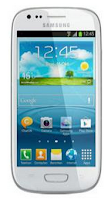
Here are some How Tos for your Samsung Galaxy Express. These How Tos are still not yet complete and I am still working on the others:
How to Factory Reset (Hard Reset) Samsung Galaxy Express
We have our own reasons why we factory reset our device. Maybe we want to delete all the files and restore the device to its original state. It could also be the device may be malfunctioning or so slow and it needs to be reset.
The steps below are the instructions on how to factory reset your Samsung Galaxy Express:
Step 1. On your HomeLcd, tap on MENU icon.
Step 2. Select "Settings", then scroll down and tap "Backup and reset" option.
Step 3. Then tap on “Factory Data Reset”.
Step 4. Read warning carefully before tapping the “Reset Device”.
Step 5. If you want to proceed in resetting your device, tap on “Delete All” to confirm the Reset.
Now, you just need to wait while your device is resetting. It should reboot itself and you will have a new start on your Samsung Galaxy Express.
Now, you just need to wait while your device is resetting. It should reboot itself and you will have a new start on your Samsung Galaxy Express.
You may also use the shortcut method using the code: Enter *2767*3855# on your device.
Hard Reset:
How to Import Contacts From Old Phone to New Phone (on Sony, iPhone, Samsung, HTC and Nokia)
All of us want to have a longer battery life on our phones. Well, Samsung Galaxy Express provides options that help you save battery power. By customizing these options and deactivating features in the background, you can use the device longer between charges:
Adding Widgets on your HomeLcd will help you improve your productivity in using your Samsung Galaxy Express. If you dont know what widgets means, Widgets are small applications that you can directly use on your HomeLcd. These will serve as your shortcut icon so will no longer need to access the Menu.
- Press and hold the Power button, Volume Up and the Home Key at the same time.
- Hold these buttons until your phone vibrates, then release the Power button.
- Hold the Volume Up and the Home Key until you see the Android icon.
- Then choose the Factory Reset option.
How to Import Contacts From Old Phone to New Phone (on Sony, iPhone, Samsung, HTC and Nokia)
Contacts is very important for everyone of us. We cant connect to our friends without a contact number. If you have a new phone, saving contacts on the phone one by one is so hassle. But now, theres an easy way how to transfer or import your contacts from your old phone to your new phone.
Use your PC to transfer contacts to your new phone. This process is applicable in several phone brands, including iPhone, Samsung, HTC and Nokia.
You just need an Internet Connection on your PC, your old and new phone and their own USB cable.
If you are not prompted with a pop-up window to install the PC Companion, you can also download the PC Companion here.
How to Reduce the Battery Consumption on Samsung Galaxy Express
Use your PC to transfer contacts to your new phone. This process is applicable in several phone brands, including iPhone, Samsung, HTC and Nokia.
You just need an Internet Connection on your PC, your old and new phone and their own USB cable.
Then you need to install the PC Companion program. This is a free application and the installation files are already saved on your new phone. This program can also be used in updating your phone software.
Please note that if you are using the Microsoft Windows 7 operating system on your PC, make sure that the AutoPlay setting is enabled.
To check your settings:
Click Start > Control Panel, then type "autoplay" on the search box. Click the AutoPlay, and mark the check box Use AutoPlay for all media and devices.
Installing the PC Companion:
Installing the PC Companion:
- Turn on your new Phone and connect it to your PC.
- On your new Phone, tap "Install" to install PC Companion on the PC.
- On your computer, if a pop-up window that appears notifies you about available PC Software, select Run Startme.exe.
- Then click Install to start the installation and then follow the instructions to complete the installation.
If you are not prompted with a pop-up window to install the PC Companion, you can also download the PC Companion here.
Transferring your contacts to your new phone:
- Make sure that PC Companion is installed on your PC.
- Open the PC Companion application on your PC.
- Then click Contacts Setup and follow the instructions to transfer your contacts.
How to Reduce the Battery Consumption on Samsung Galaxy Express
All of us want to have a longer battery life on our phones. Well, Samsung Galaxy Express provides options that help you save battery power. By customizing these options and deactivating features in the background, you can use the device longer between charges:
To reduce the battery consumption, follow these simple tips:
● Switch to Sleep mode by pressing the Power key when you are not using your device.
● Close unnecessary applications with the task manager.
● Deactivate the Bluetooth feature.
● Deactivate the Wi-Fi feature when not in use.
● Deactivate auto-syncing of applications.
● Decrease the backlight time.
● Decrease the brightness of the display.
● Activate Power saving mode.
● Switch to Sleep mode by pressing the Power key when you are not using your device.
● Close unnecessary applications with the task manager.
● Deactivate the Bluetooth feature.
● Deactivate the Wi-Fi feature when not in use.
● Deactivate auto-syncing of applications.
● Decrease the backlight time.
● Decrease the brightness of the display.
How to Reformat Memory Card on Samsung Galaxy Express
Formatting the memory card on your Samsung Galaxy Express will delete all the files that is stored on the memory card. It is recommended to backup your important files on your computer before attempting to format your memory card.
You may not be able to reformat your memory card on your computer. So try it through your device:
1. On your Home Lcd, tap Apps.
2. Select Settings.
3. Go to Storage.
4. Then tap Format SD card > Format SD card.
5. Tap Erase everything to confirm the action.
How to Secure Your Samsung Galaxy Express (Face Unlock, Face and Voice Unlock, Pattern and Password)
How to Upgrade With the Latest Software on Samsung Galaxy Express
Keeping your device updated with the latest software fixes bugs on your handset thus contributing to its efficiency and life span. Samsung allows you to install those updates in two ways- through Samsung Kies or Over-the-Air. Well heres how you can install those latest software firmware using this two methods.
Upgrading with Samsung Kies
1. First launch Samsung Kies.
2. Then connect your phone to the computer using the USB cable that came with it.
3. Now Samsung Kies will automatically recognizes your device and a dialogue box
appears showing the available updates, if any.
4. Click the update button in the dialogue box to start upgrad ting to te latest software.
While youre upgrading the device, you shouldnt turn off the computer or disconnect
te USB cable and dont connect other media devices to the computer as it may interfere
the upgrading process.
Upgrading over-the-air
1. Go the Applications Lcd and then tap Settings.
2. Then go to About device.
3. Select Software Update then hit on Update.
How to Make Your Samsung Galaxy Express a Portable Wi-Fi Hotspot
Smartphones these days can now share its mobile data connection and act as a portable Wi-Fi hotspot. And like those high-end gadgets, Samsung Galaxy Express is sure to let you experience the benefits of making it as a portable Wi-Fi hotspot. Heres how you can make your Samsung phone the next Wi-Fi hotspot.
1. On your device, go to Settings Lcd first.
2. Then tap More options.
3. Go to Tethering and portable hotspot.
4. And choose Portable Wi-Fi hotspot to share the devices mobile network connection.
Select Advanced options to customize your Wi-Fi settings.
And you now have a portable Wi-Fi hotspot using your Samsung Galaxy Express.
How to Install and Uninstall Apps on Samsung Galaxy Express
Formatting the memory card on your Samsung Galaxy Express will delete all the files that is stored on the memory card. It is recommended to backup your important files on your computer before attempting to format your memory card.
You may not be able to reformat your memory card on your computer. So try it through your device:
1. On your Home Lcd, tap Apps.
2. Select Settings.
3. Go to Storage.
4. Then tap Format SD card > Format SD card.
5. Tap Erase everything to confirm the action.
Securing your Samsung Galaxy Express is also important, specially if you have a private files that you dont want others to access it. So to prevent others from using your or accessing your personal data without your permission, then you may need to activate the security features. The device requires an unlock code whenever unlocking it.
Setting a face unlock:
1. On the Applications Lcd, tap Settings.
2. Select Lock Lcd.
3. Then choose Screen lock.
4. Tap Face unlock.
Fit your face in the frame to be captured. Then, set a backup unlock PIN or pattern to unlock the Lcd in case the face unlock fails.
Setting a face and voice unlock:
1. On the Applications Lcd, tap Settings.
2. Select Lock Lcd.
3. Then choose Screen lock.
4. Tap Face and voice.
Fit your face in the frame to be captured and then set a voice command. Then, set a backup unlock PIN or pattern to unlock the Lcd in case the face and voice unlock fails.
Setting a pattern:
1. On the Applications Lcd, tap Settings.
2. Select Lock Lcd.
3. Then choose Screen lock.
4. Tap Pattern.
Draw a pattern by connecting four dots or more, and then draw the pattern again to verify it. Set a backup unlock PIN to unlock the Lcd when you forget the pattern.
Setting a PIN:
1. On the Applications Lcd, tap Settings.
2. Select Lock Lcd.
3. Then choose Screen lock.
4. Tap PIN.
Enter at least four numbers, and then enter the password again to verify it.
Setting a password:
1. On the Applications Lcd, tap Settings.
2. Select Lock Lcd.
3. Then choose Screen lock.
4. Tap Password.
Enter at least four characters including numbers and symbols, and then enter the password again to verify it.
Setting a face unlock:
1. On the Applications Lcd, tap Settings.
2. Select Lock Lcd.
3. Then choose Screen lock.
4. Tap Face unlock.
Fit your face in the frame to be captured. Then, set a backup unlock PIN or pattern to unlock the Lcd in case the face unlock fails.
Setting a face and voice unlock:
1. On the Applications Lcd, tap Settings.
2. Select Lock Lcd.
3. Then choose Screen lock.
4. Tap Face and voice.
Fit your face in the frame to be captured and then set a voice command. Then, set a backup unlock PIN or pattern to unlock the Lcd in case the face and voice unlock fails.
Setting a pattern:
1. On the Applications Lcd, tap Settings.
2. Select Lock Lcd.
3. Then choose Screen lock.
4. Tap Pattern.
Draw a pattern by connecting four dots or more, and then draw the pattern again to verify it. Set a backup unlock PIN to unlock the Lcd when you forget the pattern.
Setting a PIN:
1. On the Applications Lcd, tap Settings.
2. Select Lock Lcd.
3. Then choose Screen lock.
4. Tap PIN.
Enter at least four numbers, and then enter the password again to verify it.
Setting a password:
1. On the Applications Lcd, tap Settings.
2. Select Lock Lcd.
3. Then choose Screen lock.
4. Tap Password.
Enter at least four characters including numbers and symbols, and then enter the password again to verify it.
How to Upgrade With the Latest Software on Samsung Galaxy Express
Keeping your device updated with the latest software fixes bugs on your handset thus contributing to its efficiency and life span. Samsung allows you to install those updates in two ways- through Samsung Kies or Over-the-Air. Well heres how you can install those latest software firmware using this two methods.
Upgrading with Samsung Kies
1. First launch Samsung Kies.
2. Then connect your phone to the computer using the USB cable that came with it.
3. Now Samsung Kies will automatically recognizes your device and a dialogue box
appears showing the available updates, if any.
4. Click the update button in the dialogue box to start upgrad ting to te latest software.
While youre upgrading the device, you shouldnt turn off the computer or disconnect
te USB cable and dont connect other media devices to the computer as it may interfere
the upgrading process.
Upgrading over-the-air
1. Go the Applications Lcd and then tap Settings.
2. Then go to About device.
3. Select Software Update then hit on Update.
How to Make Your Samsung Galaxy Express a Portable Wi-Fi Hotspot
Smartphones these days can now share its mobile data connection and act as a portable Wi-Fi hotspot. And like those high-end gadgets, Samsung Galaxy Express is sure to let you experience the benefits of making it as a portable Wi-Fi hotspot. Heres how you can make your Samsung phone the next Wi-Fi hotspot.
1. On your device, go to Settings Lcd first.
2. Then tap More options.
3. Go to Tethering and portable hotspot.
4. And choose Portable Wi-Fi hotspot to share the devices mobile network connection.
Select Advanced options to customize your Wi-Fi settings.
And you now have a portable Wi-Fi hotspot using your Samsung Galaxy Express.
Apps developers are remarkably making good money out of every apps they build. No wonder online stores are mostly visited by smartphone users just to check on the hottest new apps online. If youve found the perfect app for your Samsung Galaxy Express, then follow these steps in installing and perhaps uninstalling those unwanted apps.
Installing apps
1. First tap on Play Store on the applications Lcd to view available apps online.
2. You can browse available apps by category or simply tap to search with a keyword.
3. Then select an application to view. To download it on your phone, tap Install. Make sure to double check the app info like its price and ratings before hitting the install button.
4. If theres a charge for that app,tap the price and follow the onLcd instructions to purchase it.
5. To install apps that are from other sources, just go to Applications > Settings > Security > Unknown sources.
Uninstalling apps
1. In uinstalling the apps purchased from the Play Store, tap
2. Then go to My Apps.
3. And select an application you want to delete, then tap Uninstall.
Installing apps
1. First tap on Play Store on the applications Lcd to view available apps online.
2. You can browse available apps by category or simply tap
to search with a keyword.3. Then select an application to view. To download it on your phone, tap Install. Make sure to double check the app info like its price and ratings before hitting the install button.
4. If theres a charge for that app,tap the price and follow the onLcd instructions to purchase it.
5. To install apps that are from other sources, just go to Applications > Settings > Security > Unknown sources.
Uninstalling apps
1. In uinstalling the apps purchased from the Play Store, tap
2. Then go to My Apps.
3. And select an application you want to delete, then tap Uninstall.
How to Add and Remove Widgets on Samsung Galaxy Express
Adding a Widget:
1. Press Home key button.
2. Navigate to the desired Home Page.
3. Touch and hold on an empty area of the Lcd.
4. Tap Apps and widgets.
5. Tap the Widgets tab at the top of the Lcd.
6. Press and hold an available Widget to position it on the current Lcd.
Removing a Widget:
1. Touch and hold a Widget until you can move it around on the Lcd.
2. Drag the Widget over the Delete icon it.
As you place the Widget into the Trash, both items turn red.
How to Play Movies & TV on Samsung Galaxy Express
With the use of Google Play Movies & TV app, you can now rent thousands of different movies and television shows. You have an option to watch the movies directly on your phone instantly, or you can also download it and watch it later if you have spare time. Just follow the steps below on how to play movies and tv.
1. From the Home Lcd, tap on Apps icon, and select Movie icon or the Play Movies & TV.
.
2. You need to log on to your Google account if you have not already done so.
3. Just follow the on-Lcd instructions for renting and viewing movies.
4. Tap the MOVIES tab to view movies you can rent.
5. Tap the TV SHOWS tab to view shows you can rent.
6. Tap the PERSONAL VIDEOS tab to view movies you have on your phone or memory card.
7. Press for additional options.
for additional options.
Subscribe to:
Posts (Atom)